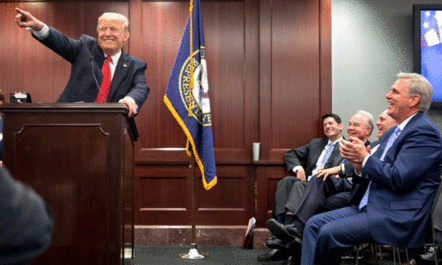
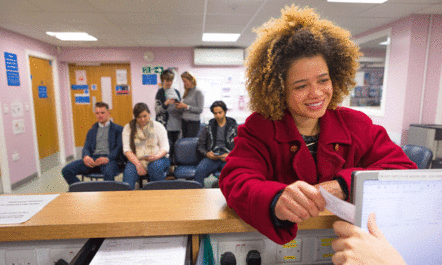
It’s likely that the Trump-Ryan failure will push state legislatures to consider expanding Medicaid—putting even more people under the public insurance system.
Since the president sees himself foremost as a negotiator, perhaps it’s time for a negotiated revolution. Not to break us apart, but to bring us together.
Our current political climate is volatile, scary, and uncertain. But maybe the not knowing and the confusion will finally allow us to arrive at a true beginning.
Last month, bank officials met face to face with leaders of the Standing Rock Sioux, and this week they announced the bank had sold the loan at the request of tribal leaders.
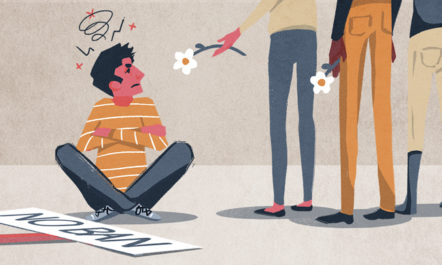
As cities incorporate curricula that deconstruct stereotypes and negative assumptions about race, advocates say everyone wins. Others argue they just promote resentment.
While national outrage is focused on Public Broadcasting and the National Endowment for the Arts, tiny agencies helping communities that teeter on the edge of poverty would also disappear.
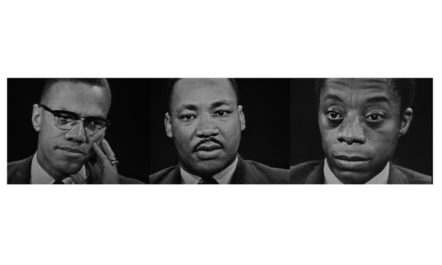
Poet Terrance Hayes on the James Baldwin documentary: “It seemed, for a moment, we had come around a big bend on the racial mountain. It seemed, for a moment, we were beyond Negro.”
Although many people in these struggling regions voted for the new president, his cynical answers will not bring them prosperity. But I saw what could.
When large institutions like universities and hospitals agree to hire and spend locally, they can transform neighborhoods hardest hit by poverty and unemployment.
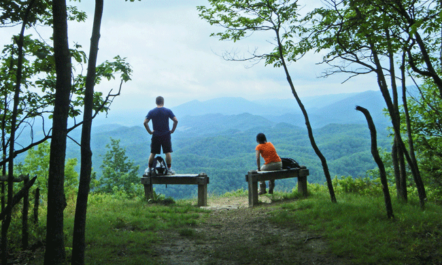
Over 100 studies have shown that being in nature—or even watching it in videos—benefits our brains, bodies, feelings, thought processes, and social interactions.
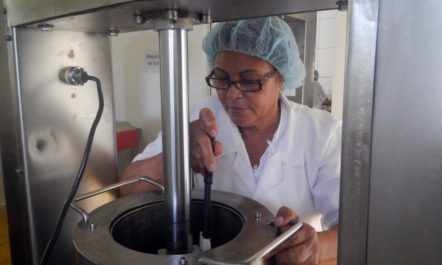
Dried cocoa beans historically have been shipped to Europe and the U.S. for chocolate making. But keeping the process close to home empowers farmers and supports local economies.
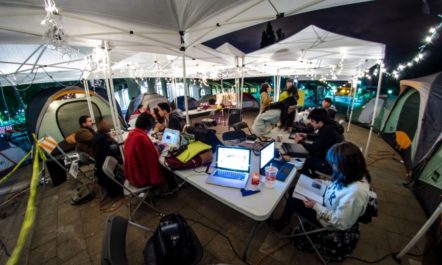
By halting a proposed $150 million police precinct, Seattle activists have made headway in redirecting funding toward services like affordable housing and education.