It's easier to be hopeful about our individual futures than our collective ones because we have more control over them. But the two are inextricably linked.
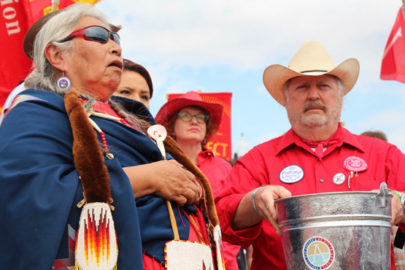
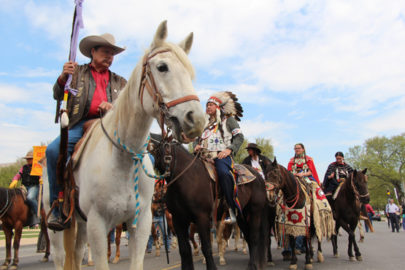
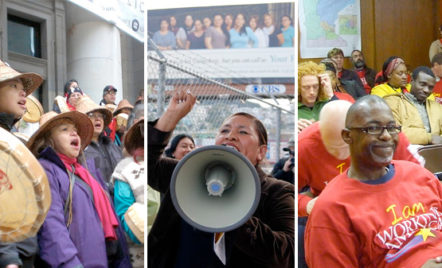
As natives and ranchers work together to oppose the Keystone XL pipeline, they're also learning to understand one another's history, culture, and relationship with the land.
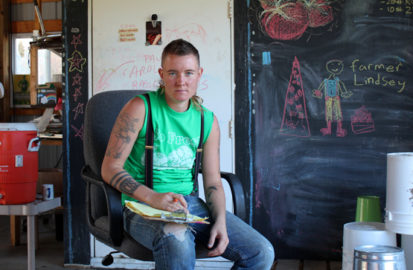
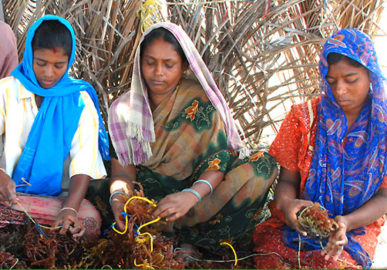
Preliminary results from the 2012 Census of Agriculture show the increasing role of women in U.S. agriculture—especially on organic and small-scale farms.
Movements for economic justice and equality are rarely flush with cash. But "cryptocurrencies" like Bitcoin might stand to change the rules in their favor.
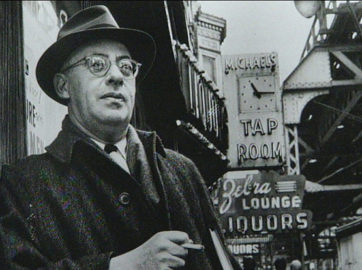
Most organizers today believe that Alinsky taught to focus on building organizations and not social movements. But the author's own political work shows a more flexible approach.
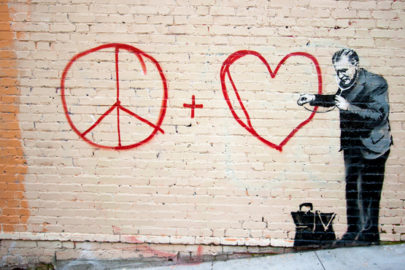
By keeping workers healthy, the Affordable Care Act will help the working poor achieve greater financial stability—and will probably boost the economy as well.
The Swahili word "madaraka" means "self-realization." The festival bearing that name seeks to empower youth to create positive change in their own lives, their communities, and the world.
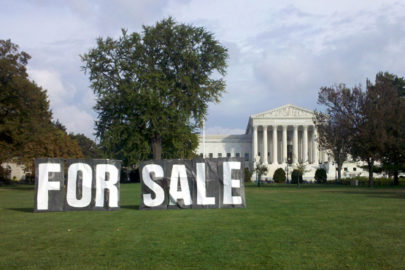
The McCutcheon decision will boost the political power of the one percent at the expense of the rest of us. But it also adds to the urgency of the movement that's working to take back our democracy.
Mayor Chokwe Lumumba implemented only the first steps of his plan to address Jackson's extreme income inequality, which most seriously affected black residents. Now the city faces a choice between vastly different approaches to economic development.