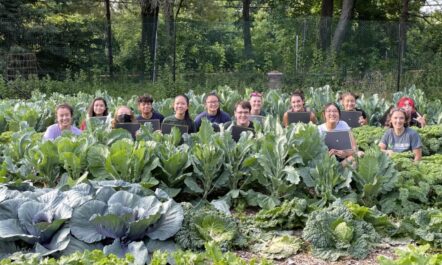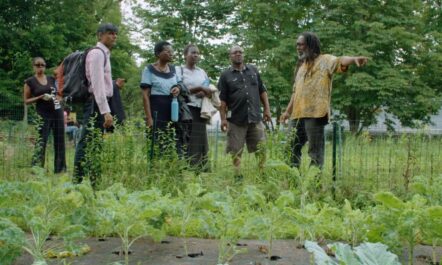
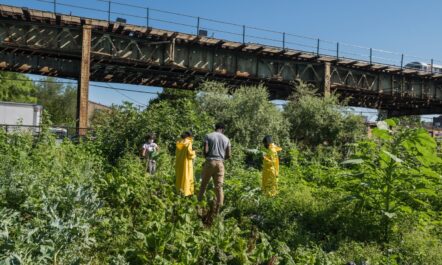
Over 70 different fruits and vegetables are grown in this urban biodiversity oasis, including specialty crops from the community’s diverse cultures.

Minimum Viable Planet is a weeklyish newsletter about climateish stuff, and how to keep it together in a world gone mad. This week, Sarah wonders if everyone can see her judging others’ carbon footprints.
At Freetown Farm, members of the community can learn the names of medicinal herbs and harvest vegetables, all while developing a deeper relationship to the land and local community.
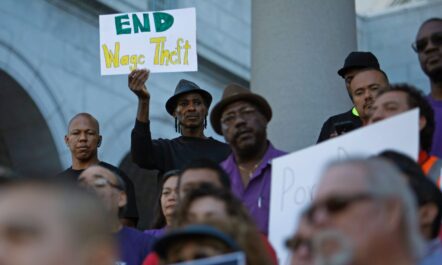
Slavery was the ultimate labor distortion. A crucial part in the discussion on reparations today should center on reshaping the labor relationship between employers and employees.
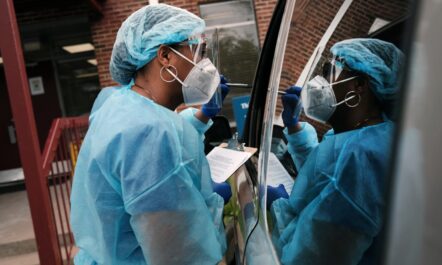
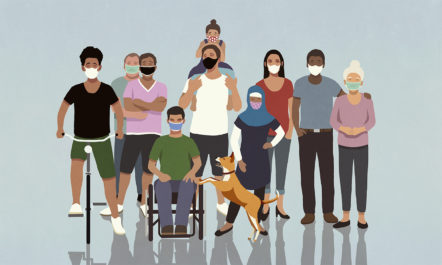
Public health and communications experts from Michigan, Indiana, Mississippi, and South Carolina discuss efforts to encourage people in their states and local communities to get vaccinated.
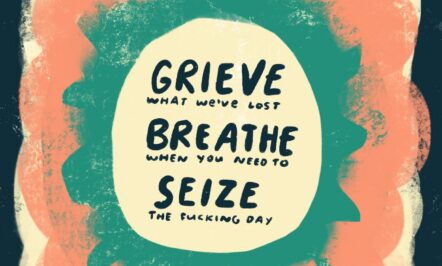
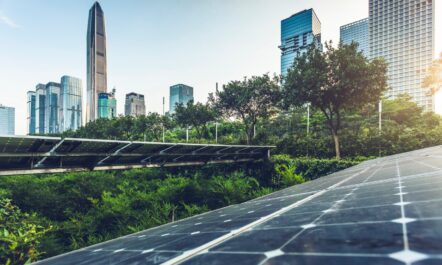
Minimum Viable Planet is a weeklyish newsletter about climateish stuff, and how to keep it together in a world gone mad. This week, a pep talk in the wake of the big IPCC report.
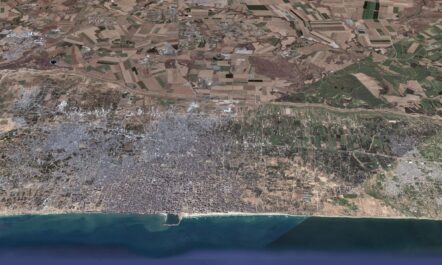
In response to bombing and blockade, “Open Gaza: Architectures of Hope” explores solutions for building peace and prosperity.
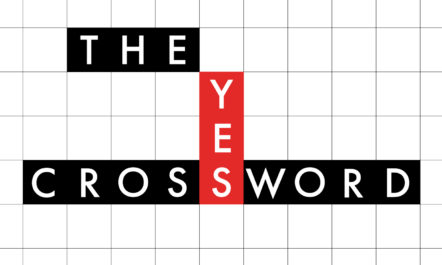
September’s crossword puzzle celebrates the pride and joy of Hispanic and Latinx heritage.
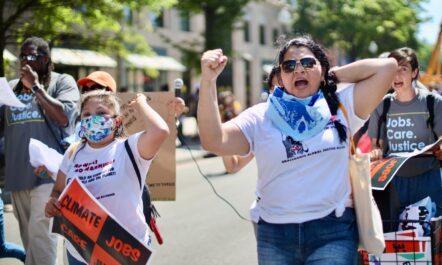
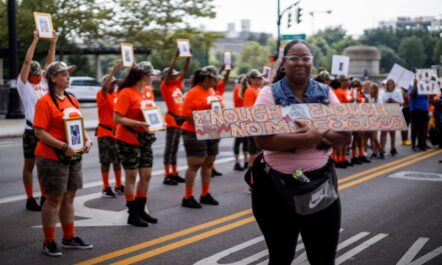
Domestic care workers have been overlooked in the economy and as political actors for too long.
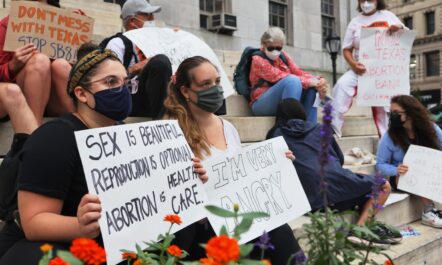
Texas’ new anti-abortion law has just gone into effect after the Supreme Court refused to step in. Here’s what it means.
A team of researchers and administrators are revamping New Mexico’s social service networks to meet the needs of everyone. They hope to expand to the rest of the country next.
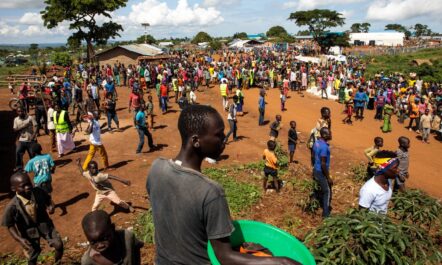
The country has a reputation of being progressive on refugee issues—but its efforts are underfunded.
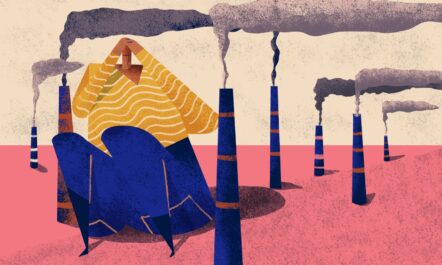
People are calling for a more nuanced discussion of climate change and mental health—one that centers the experiences of marginalized communities.
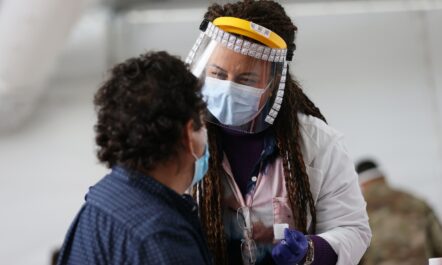
Getting communities of color vaccinated is a matter of racial justice—and that means confronting the history of medical racism in the U.S. and massive online misinformation.
Raj Patel’s new film follows one Malawian activist’s efforts to bring the immediacy of climate change to the U.S.
“The Ministry for the Future” is a vision of everything we could do to save the planet, and ourselves, from catastrophic global warming.
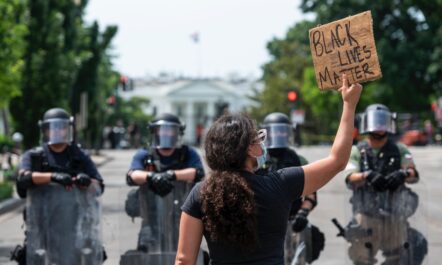
The demands to defund the police are linked to the call for ending militarism. There is a strong case to be made for these movements to join forces against both forms of violence.
Afghan feminists told the world 20 years ago what to do (and what not to do) to help them. The U.S. didn’t listen, and today’s disastrous outcome is the inevitable result.
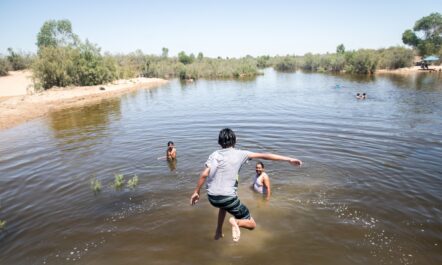
“It’s not only about wildlife, or birds and trees. It’s also about the people.”
In their new book, authors Rupa Marya and Raj Patel explore how capitalism and colonialism have caused sickness and how Indigenous knowledge can offer healing.
We keep saying we can’t go back to the way we were before the pandemic. But we just might be doing that.
Crime is rising in America. But rather than rely on the knee-jerk response of increased policing, one violence-prevention expert offers his solutions on using a justice-lens to reduce crime.
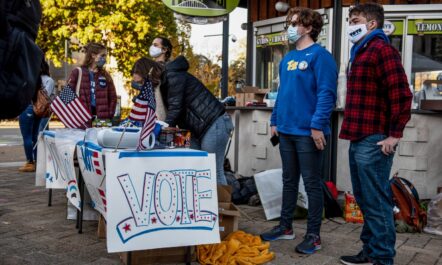
Many organizations that have long advocated for young voters are now finding they need to push back against restrictive new state laws.
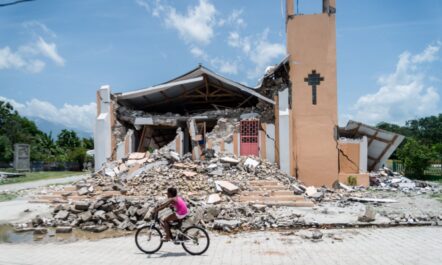
The devastating temblor came just weeks after the assassination of President Jovenel Moïse—an event that underscored the precarious political and security environment in modern-day Haiti.
“The Atlas of Disappearing Places” presents a realistic but not completely hopeless future for the Arctic.
Our Vision to Create the Best Stories Imaginable
Our monthly newsletter uplifts relevant pieces from our archives and new solutions journalism from other publications.
LEARN MOREHelp Fund Powerful Stories to Light the Way Forward
Donate to YES! today.