
Just as slavery couldn’t be reformed and had to be ended, policing can’t be reformed and has to be abolished, say leaders of modern-day abolitionist movements.
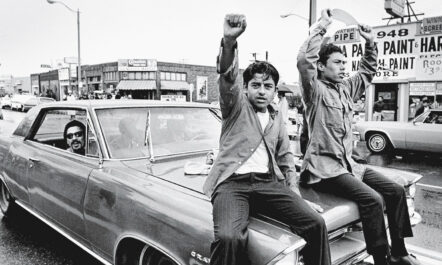
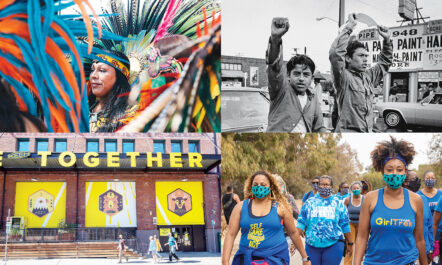
In 1970, tens of thousands of people in East Los Angeles marched for equality, identifying themselves as “Chicano.” Today, the Chicano Moratorium continues as young and old learn from one another.
The theme for our 100th issue was inspired by the political earthquake of 2020 and the butterfly model of transformative social justice.
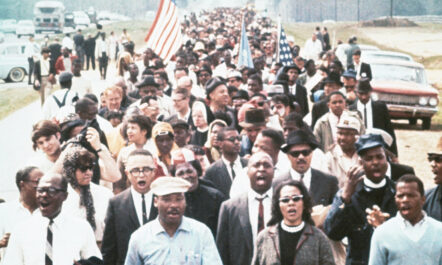
New momentum in the continuing march toward a more equitable society.
The modern environmental justice movement understands the health of the planet and well-being of people are connected.
Conventional banking hasn't worked for businesses owned by people of color. But a new network is designed to get money flowing fairly to BIPOC economies.
Movements adapt and evolve toward a new social justice.
How to decolonize wealth through reparations.
Until federal reparations happen, local organizations across the country are stepping up.
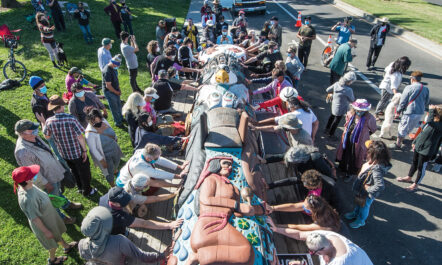
The Wiyot Tribe regained its sacred island home after decades of unrelenting prayer and relationship-building.
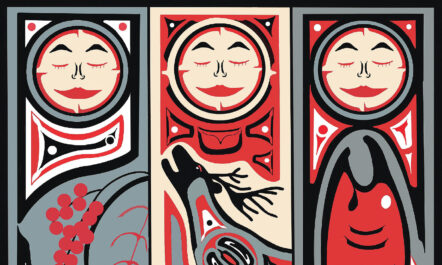
Following a lunar-inspired menu means eating seasonal and hyperlocal ingredients.
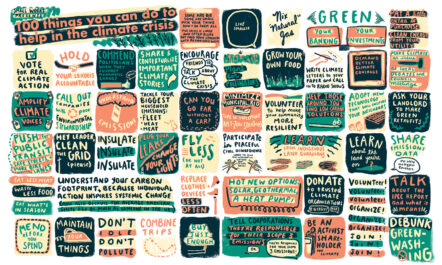
In case you needed help getting started.
As more states enact punitive laws restricting abortions, reproductive justice organizations look for new ways to regain ground and expand their movements.
Share of U.S. adults who “lack proficiency in literacy,” reading below the sixth-grade level: 52% [1] Share of adults with the lowest literacy levels who live in poverty: 43%
“The Dawn of Everything” confronts deep assumptions about how human society developed from its humble origins.
“Our job, as human beings, is to learn from our suffering.”
With a simple gesture, Colin Kaepernick started a movement.
Anoa Changa (she/her) is a Southern-based movement journalist. She has a deep history of working within the realms of advocacy and justice. She hosts the podcast The Way with Anoa,
Fall 2021: The “How Much Is Enough?” Issue Our fall issue tackled the existential question that undergirds so many of our current conversations, be they about wealth, food, health, justice, climate, or
Dear Community, As I write this letter, I am still feeling the high of YES! Fest—the two days of virtual celebration and conversation with people who’ve shaped the stories and
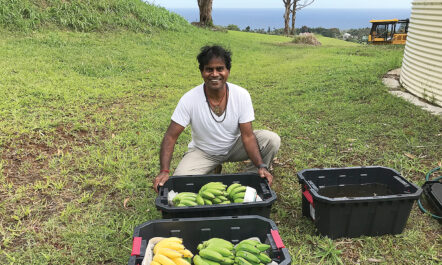
Ravi Ravichandran was volunteering at a Mother Earth News Fair eight years ago when he noticed the YES! booth right across the way. After sampling a few stories, he became a
Every issue of YES! is created to not only inform, but also to inspire, to encourage, and to motivate. The sections are designed to share personal, communal, and societal approaches
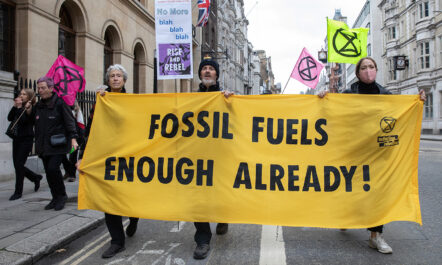
While elites fixate on technological fixes such as “net zero” emissions, communities of color fear it will disproportionately impact them and instead demand a just phasing out of oil and gas—and a seat at the table.
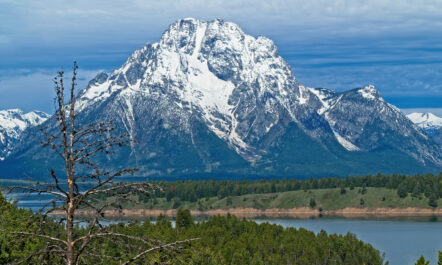
“I felt a kinship with the Nez Perce who, like my Japanese American community, were banished to less desirable land.”
Our Vision to Create the Best Stories Imaginable
Our monthly newsletter uplifts relevant pieces from our archives and new solutions journalism from other publications.
LEARN MOREHelp Fund Powerful Stories to Light the Way Forward
Donate to YES! today.