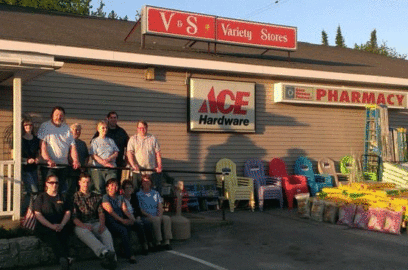
Why did some of the cooperative institutions built in the ’70s—especially food co-ops—get to scale and thrive in subsequent decades, while others faded away?
“Our full humanity is expressed only when we have the capacity and the opportunity to be productive, to do for ourselves, meeting our needs in our communities.”
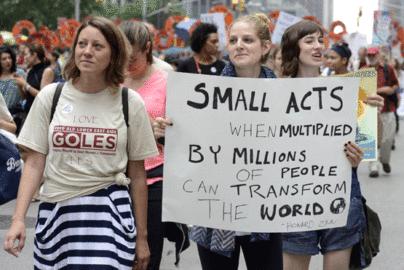
Next Monday, YES! and the New Economy Coalition kick off New Economy Week—five days of national conversation about the ideas, strategies, and projects that make up the movement.
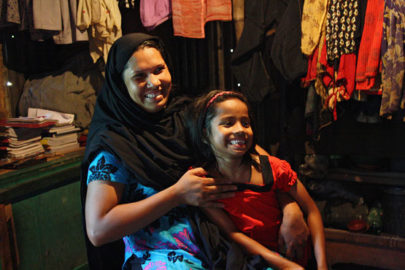
In the evolving global economy, migrants facing virtual indentured servitude abroad—and coming home to debt and social isolation—feels like the new normal.
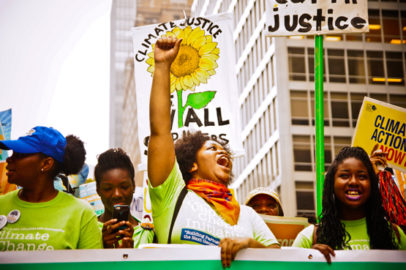
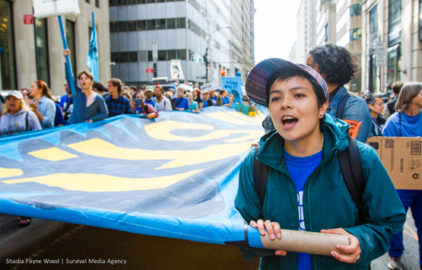
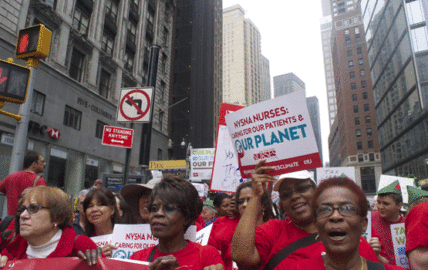
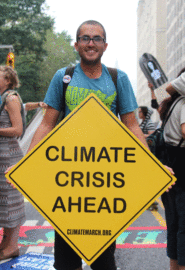
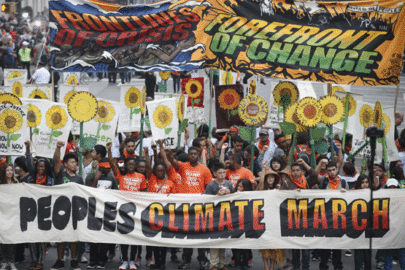
From people who are still literally marching to campaigns to sue the government for failing to take action on climate change, these projects make it clear that the People’s Climate March was just the beginning.
Naomi Klein’s powerful new book explains why not only can the climate movement win—but it’s our best chance at overturning some of history’s greatest injustices.
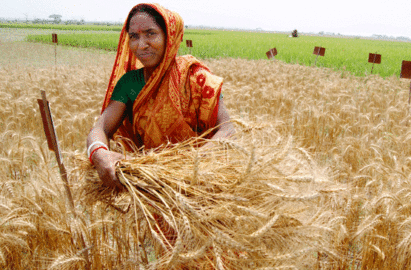
New scientific research increasingly shows how “agroecology” offers environmentally sustainable methods that can meet the rapidly growing demand for food.
The leading strategies in the climate justice movement already resemble the Cold War policies of containment, roll-back, and isolation. But can they wear down the political power of the fossil fuel industry?
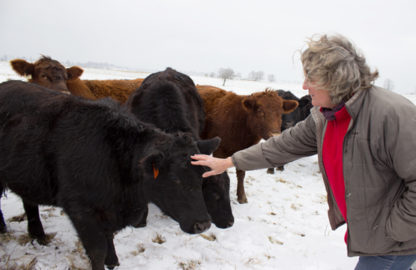
If there is one key to making it in a family farm—or in any business that thwarts the trend toward relentless greed and destruction of the planet—it is the ability to believe.
Kicking the polluters out of the negotiations may sound like wishful thinking. But there is a precedent: the global effort to regulate the tobacco industry.
Young Adult future fantasies like The Hunger Games and Divergent have been condemned as promoting free-market ideology. But these stories of revolution engage young people in deep conversations about identity and injustice.