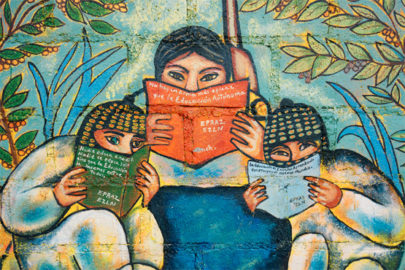

The Zapatistas are still running their own schools and hospitals, raising new generations, and carrying on a dialogue with the outside world that has enriched both sides.
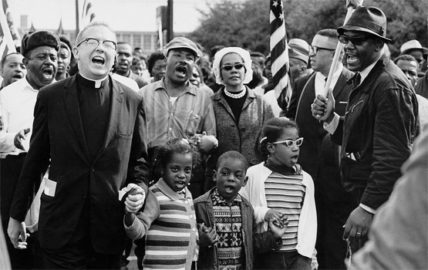
It took years of political evolution for King to understand nonviolence not merely as a moral force, but as an effective strategy for leveraging political change.
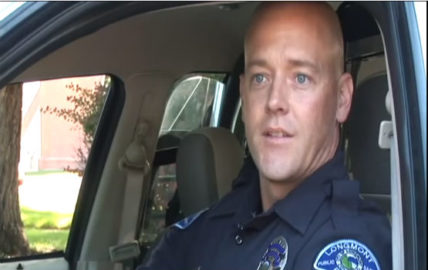
In restorative justice, those who commit crimes have to face the consequences of their actions. After this Colorado policeman tried it out, he came to believe it's part of the answer to America's prison problem.
Alarmed by the ultraconservative policies of their state government, North Carolina residents are taking to the streets to say that social justice is the moral way to go.
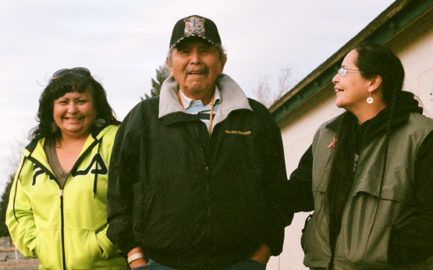
Times have never been tougher for indigenous people living in traditional ways. Yet 2013 saw them winning land rights, fighting misrepresentation in the media, and winning solidarity from unexpected allies.
Many of the Disney classics contain outdated images of racial and gender groups. Luckily, recent animated masterpieces provide alternatives without sacrificing anything in the way of imagination.
From Switzerland to New York, it seems like people are talking more than ever about inequality—and its antidotes. Here are some of the most promising and provocative ideas from last year that could shift our course in 2014.
The struggle pits the tribes and their allies in the environmental movement against the General Electric subsidiary that manufactured the evaporators and the hauling company that is providing transportation for them.
Enough with political correctness. Sally Kohn on why persuasion doesn't begin with ideas, facts, or data, but in having the compassion for others that we want them to have for us.
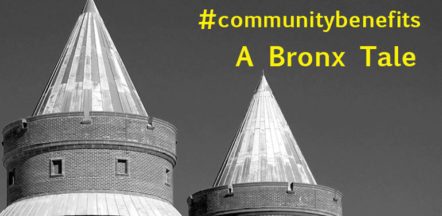
The people of New York’s poorest borough fought to ensure that redevelopment of its castle-like landmark will benefit those who live there. Will it be a gamechanger?
New studies show that people with deep roots in the place where they live are better equipped to handle upheavals of the type that come with climate change.
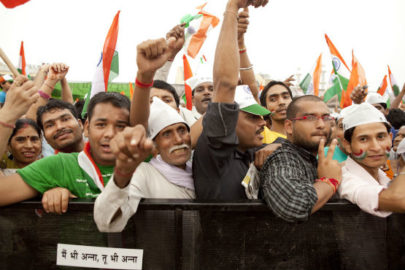
Beyond the headlines of conflict and catastrophe, this year’s top stories offered us some powerful proof that the world can still change—for the better.
Looking for an antidote to modern culture’s emphasis on romantic love? Perhaps we can learn from the diverse forms of emotional attachment prized by the ancient Greeks.
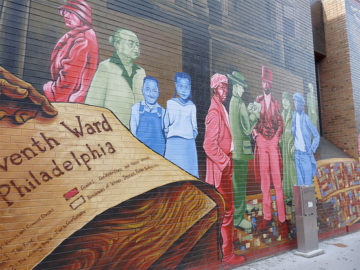
The city is home to more than 40,000 vacant properties. Now neighborhoods are hoping a new public entity can help them bounce back from the post-industrial blues.
Only 25 percent of STEM jobs are held by women. YouTube science sensation Emily Graslie on how we can inspire them with better-quality pop-culture role models.
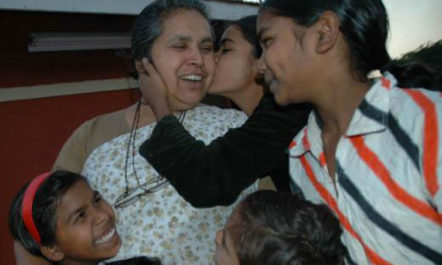
As India honors the first anniversary of the Delhi gang rape that rocked the nation, YES! talks with Sister Lucy Kurien—whose life was changed forever when she saw a young woman set on fire.
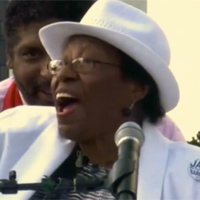
In the spirit of the season, Reverend James Forbes shows us how compassion at the dinner table can bring people from all walks of life together—and reminds us that our work isn't done until that happens.
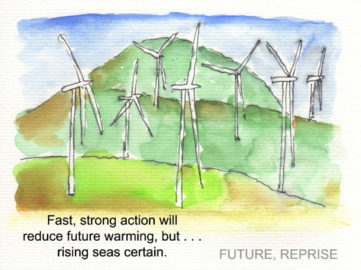
By stripping a technical report of its jargon and unfathomably large numbers, Gregory C. Johnson's haikus offer an arresting and informative entry point into climate science.
He was not just an extraordinary practitioner of dialogue, but also a fighter who understood that if we take fighting too far, we risk destroying what we are trying to create.
Julia Trigg-Crawford claims that the state of Texas has no process to determine whether projects that seize landowners' property are really in the public benefit.