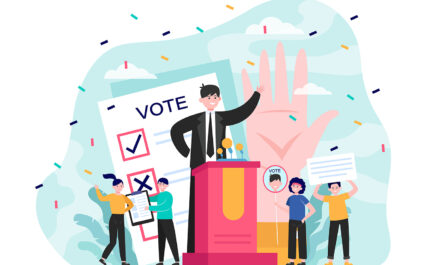
State legislatures and elected officials around the country have almost always responded to crime with more police funding in spite of little to no positive results. Instead, they could tackle the recidivism rate, solve the housing crisis, and reduce poverty.
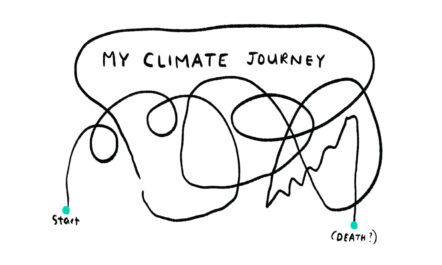
“Minimum Viable Planet” is a weeklyish commentary about climateish stuff, and how to keep it together in a world gone mad. This week, illustrator and journalist Sarah Lazarovic explains why she needed to work on climate full-time.
The real estate industry has long had a Whiteness problem. An emerging Black developer in Baltimore is challenging the state to help fix the appraisal gap and other injustices.
Wichita, Kansas, is using about 70% of its vouchers to help unsheltered people and those fleeing domestic violence, one of the highest usage rates in the country.
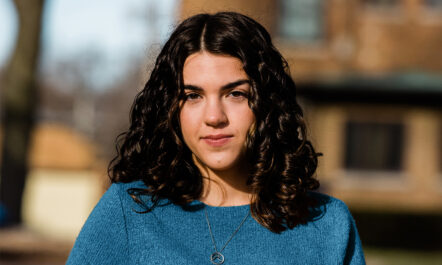
A young, mixed-race Iranian American realized during the 2020 racial justice uprisings that being a person of color didn’t mean she was automatically an expert on race and racism.
In the newly released IPCC report, scientists concluded that immediate cuts are necessary to stop emissions. Systemic changes currently underway in the transportation sector could begin lowering that emissions footprint—but will it be enough?
Black women like Jada Pinkett Smith and Representative Ayanna Pressley are coming forward to shed light on a little known hair loss condition that disproportionately affects Black women.
The recent outrage over the Grammy nominations of two Black artists in classical categories is part of a long-standing problem in the White-dominated genre.
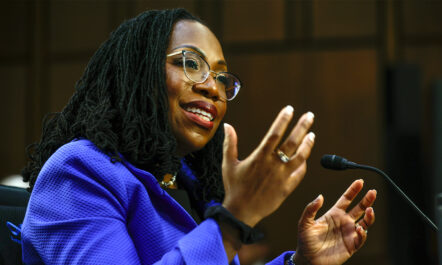
Republican Senators on the Judiciary Committee engaged in aggressive political attacks on Judge Ketanji Brown Jackson during her Supreme Court confirmation hearings. But they couldn’t take away from the historic significance of the first Black women to be nominated to the court.